Generated Title: Stimulus Check Mirage: Separating Fact from Fiction in the Latest Claims
The internet's buzzing again with rumors of stimulus checks, direct deposits, and "relief payments" supposedly coming in November. Before you start planning that new home theater, let's inject some cold, hard data into the conversation. Are these claims legitimate, or just another cycle of online misinformation?
Decoding the Stimulus Noise
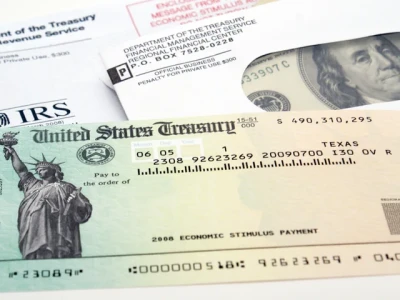
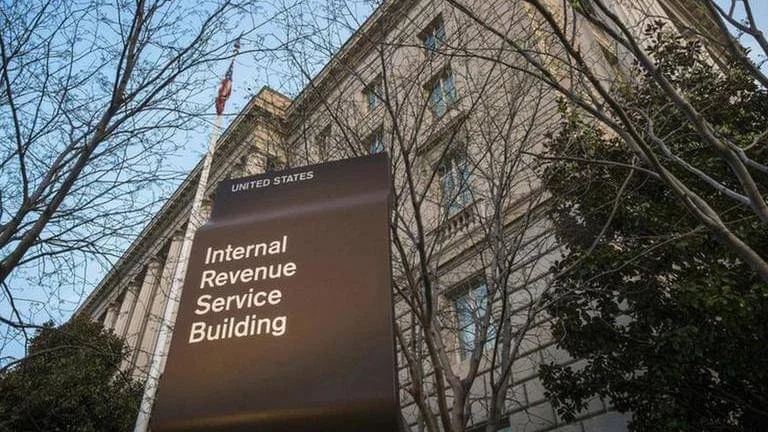
The core issue is this: there's no confirmed, federally-approved stimulus check program currently in the pipeline. Reports circulating online, often citing figures like $1,390 or even $2,000, lack any official backing from Congress or the IRS. The IRS itself has issued warnings about scams and impersonators using the promise of stimulus checks to extract personal information. Remember, the IRS never initiates contact via text message demanding personal details. That alone should be a massive red flag.
One proposed measure, the American Worker Rebate Act, championed by Senator Josh Hawley, aims to distribute tariff revenue to taxpayers (minimum $600 per individual). But here’s the kicker: it hasn't passed Congress. It's a proposal, not a done deal. So, while the idea of more money is floating around, the reality of it hitting your bank account is far from guaranteed.
Past stimulus efforts, like those during the COVID-19 pandemic, were authorized through specific legislation, like the CARES Act and the American Rescue Plan. These were clearly defined programs with eligibility criteria and distribution methods. What we're seeing now is a vacuum of official information filled with speculation and, frankly, wishful thinking.
State-Level Relief: A Patchwork Solution
While federal stimulus checks are a mirage, some states are offering targeted relief programs. New Jersey's ANCHOR property tax relief, for example, provides up to $1,750 for homeowners 65 or older. Several states, including New York, Pennsylvania, and Colorado, also offered "inflation relief checks" (essentially, rebates) to residents who met specific income requirements.
The problem? These programs are localized and vary significantly in eligibility and payout amounts. You can't extrapolate these state-level initiatives into a national stimulus narrative. It's like saying because one company gave out bonuses, everyone is getting a raise.
I've looked at hundreds of these programs, and the complexity is astounding. The lack of a unified, federal approach creates confusion and leaves many people behind.
There's also the issue of unclaimed stimulus funds. The IRS announced earlier this year it would distribute about $2.4 billion to taxpayers who failed to claim the Recovery Rebate Credit on their 2021 tax returns (maximum $1,400 per individual). The deadline to claim this credit was April 15, 2025. Missed that date? The money goes back to the Treasury.
The "DOGE Dividend" and Other Fantasies
Then there's the truly bizarre. Remember talk of a "$5,000 stimulus check" in the form of a "DOGE dividend," supposedly funded by savings identified by a "Department of Government Efficiency (DOGE)"? It was floated by Trump and is based on savings from Elon Musk. With all due respect, this is where the conversation veers into the realm of pure speculation. There has been no further details or any kind of real plan behind this idea.
And this is the part of the report that I find genuinely puzzling. How did this idea get traction? The lack of concrete details, the reliance on hypothetical savings, and the association with a meme-inspired term ("DOGE") should have been enough to dismiss it out of hand. Yet, it persists in online discussions. What does that say about the level of financial literacy and critical thinking out there?
The Signal-to-Noise Ratio is Way Off
The bottom line is this: approach any claim of a new, imminent stimulus check with extreme skepticism. There's a lot of noise, but very little signal. Focus on verifiable information from official sources like the IRS and Congressional websites. Don't let social media rumors dictate your financial planning. Stimulus check: IRS direct deposit payment coming in November? All you need to know.
A Reality Check
The absence of real stimulus checks is far less interesting than the persistence of rumors about them.