Stocks' Wild Ride: A Data Analyst's Reality Check on the Santa Claus Rally
The Market's Mixed Signals
Yesterday was a textbook example of market volatility. The Dow Jones Industrial Average swung through a 1,000-point range before closing down 386.51 points (0.84%) at 45,752.26. The Nasdaq and S&P 500 followed suit, dropping 2.16% and 1.56% respectively. Headlines are screaming about uncertainty, but let's dissect the numbers and see what's really going on.
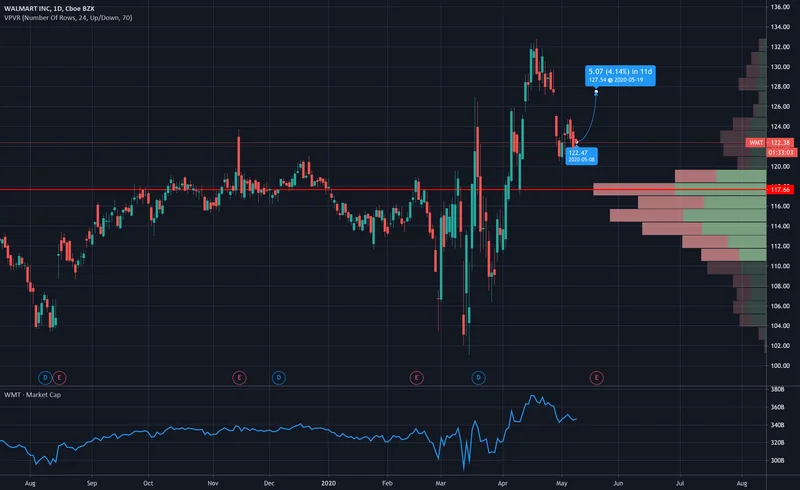
The initial surge was fueled by strong earnings from Nvidia and Walmart. The market loves a good earnings beat, and both companies delivered. But the enthusiasm was short-lived. The delayed September jobs report, released after that ridiculous 43-day government shutdown, threw a wrench into the works. 119,000 jobs added? That's a decent number, but the devil's in the revisions.
Job gains for July and August were revised down by 33,000. And the unemployment rate inched up a tenth to 4.4%. The government also conveniently announced that they wouldn't release an October jobs report due to the shutdown, (talk about burying the lead). Now, the CME Fedwatch tool shows a nearly 40% chance for a rate cut in December. That's nearly double. The market’s pricing in a policy error, but is it justified?
Earnings vs. Macro: A Disconnect?
Here's where things get interesting. We just had the strongest quarter for corporate earnings since the last three months of 2021. Analysts were expecting a measly 6% earnings growth heading into the third quarter, but actual results more than doubled that. That's a massive discrepancy. So, why isn't the market celebrating?
The problem, as always, is the macro environment. The market is grappling with questions around the Fed’s interest-rate path, labor market data, and the lingering effects of that aforementioned government shutdown. All of this uncertainty is overshadowing the strong earnings numbers.
Historically, stocks tend to rally at the end of the year, a phenomenon known as the "Santa Claus rally." The Dow has risen 77% of the time from the day after Christmas through the first two trading days of January. Since 1950, the S&P 500 has had a positive return 79% of the time during this period, with an average return of 1.3%. I've seen these patterns touted year after year, and while the historical data is compelling, it's not a guarantee. Past performance, as they say, is not indicative of future results.
And this is the part of the report that I find genuinely puzzling. We have strong earnings, a potentially softening labor market, and the promise of a "Santa Claus rally" looming. But the market is acting like the sky is falling. Why?
Is it simply fear of the unknown? Is it the lingering effects of the government shutdown? Or is it something more fundamental? Perhaps the market is starting to realize that the Fed's tightening cycle is finally starting to bite. Or maybe, just maybe, the market is starting to price in a recession. It's tough to say definitively (and I hate those who make definitive market calls).
The Market's Still Got Trust Issues
The market's behavior suggests a lack of faith in the underlying economic data. Earnings are up, but investors are hesitant. The "Santa Claus rally" is a historical trend, but it's not a magic bullet. The market needs more than just hope; it needs concrete evidence that the economy is on solid footing. Until then, expect more volatility and mixed signals.